February 9, 2026
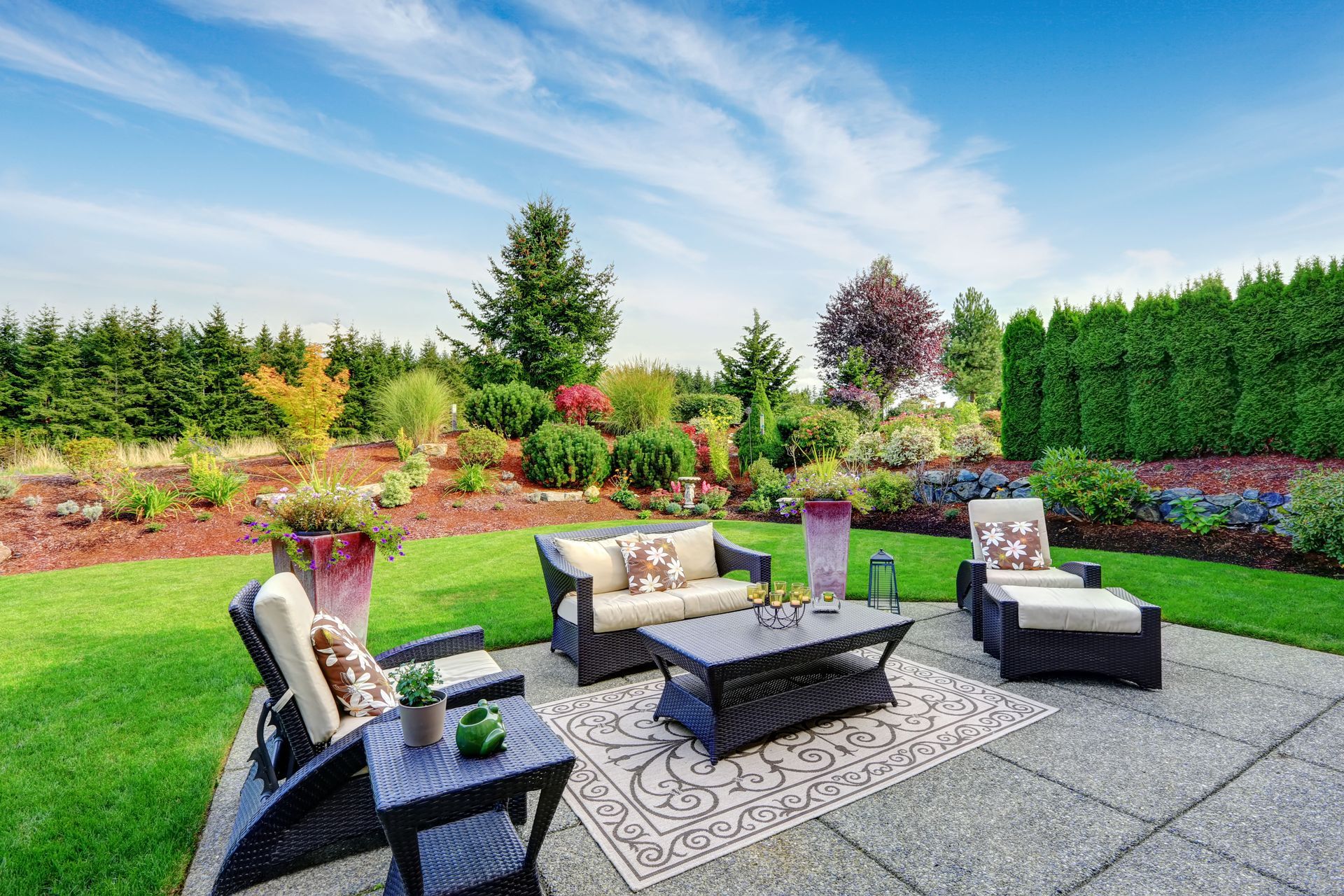
Outdoor living spaces have become an increasingly popular way for homeowners to enhance both comfort and functionality. A well-designed patio can serve as an extension of your home, offering space for entertaining, relaxing, dining, or simply enjoying fresh air. Before moving forward, many property owners find themselves asking an important question: Is patio installation right for my property?
The answer depends on several factors, including available space, budget, lifestyle needs, and long-term plans for the home. A patio can add usability and visual appeal, but it also requires thoughtful planning to make sure it aligns with your property's layout and your expectations. According to HomeLight, labor costs to build your deck typically account for about 50% of the budget, highlighting how installation decisions play a major role in overall project costs. In this article, we'll explore the key considerations that help determine whether patio installation makes sense for your property.
Understanding the Purpose of a Patio Space
Before deciding on patio installation, it's helpful to define how you plan to use the space. Some homeowners envision a quiet area for morning coffee, while others want a central gathering place for friends and family. The intended purpose influences size, layout, materials, and design features.
A patio designed for entertaining may require more square footage, seating options, and durable surfaces. A more intimate patio might focus on comfort and privacy instead. Clarifying your goals early helps determine whether a patio truly fits your lifestyle and how it should be designed.
Evaluating Available Outdoor Space
The size and shape of your yard play a major role in determining whether a patio is a practical addition. Properties with flat, open areas often accommodate patio installation more easily than those with steep slopes or limited outdoor space.
That said, smaller yards can still benefit from patios when designed thoughtfully. Compact layouts, creative shapes, and efficient use of space allow patios to fit into a wide range of property types. Evaluating how much usable outdoor area you have helps set realistic expectations for the project.
Considering Property Layout and Accessibility
A successful patio feels like a natural extension of the home rather than a separate feature. Placement matters, especially in relation to doors, windows, and indoor living spaces. Patios located near kitchens or living rooms often feel more integrated and convenient.
Accessibility also matters for long-term usability. Clear pathways, level transitions, and thoughtful positioning make patios easier to use for people of all ages. Considering how the patio connects to the rest of the property supports both comfort and functionality.
Comparing Patio Materials and Design Options
Patios offer a wide range of material options, each with its own benefits. Concrete, pavers, natural stone, and brick are among the most common choices. Material selection affects durability, appearance, maintenance needs, and cost.
Design options also vary widely. Some patios feature clean, modern lines, while others lean toward a rustic or traditional aesthetic. Choosing materials and designs that complement your home's architecture helps create a cohesive outdoor environment that feels intentional rather than added on.
Understanding Installation Costs and Budget Planning
Cost is one of the most important factors when deciding on patio installation. Expenses typically include materials, labor, site preparation, and any additional features such as seating walls or lighting. Labor often represents a significant portion of the total investment.
According to HomeLight, labor costs to build your deck typically account for about 50% of the budget, and similar considerations apply when planning a patio project. Understanding where costs come from helps homeowners plan more effectively and avoid surprises during the installation process.
Factoring in Maintenance and Long-Term Care
Different patio materials come with different maintenance requirements. Some surfaces need periodic sealing, while others require routine cleaning to maintain appearance and performance. Understanding these responsibilities ahead of time helps homeowners choose materials that fit their lifestyle.
Low-maintenance options may appeal to those who prefer minimal upkeep, while others may enjoy maintaining natural stone or decorative finishes. Factoring in long-term care expectations helps support satisfaction with the finished patio over time.
Evaluating Climate and Environmental Conditions
Local climate conditions influence how well a patio performs throughout the year. Regions with heavy rainfall, freeze-thaw cycles, or extreme heat require materials and installation methods suited to those conditions.
Proper drainage, material selection, and surface treatments all help patios withstand environmental stress. Considering weather patterns early in the planning process helps protect the investment and supports long-term durability.
Assessing Impact on Property Value
A well-designed patio can contribute positively to a property's overall appeal. Outdoor living spaces are often attractive to potential buyers, especially when they are functional, visually appealing, and well-maintained.
While patio installation may not guarantee a specific return, it can enhance marketability and usability. Homeowners who plan to stay long term may prioritize enjoyment, while those considering resale may focus on broad appeal and versatility.
Comparing Patios With Other Outdoor Options
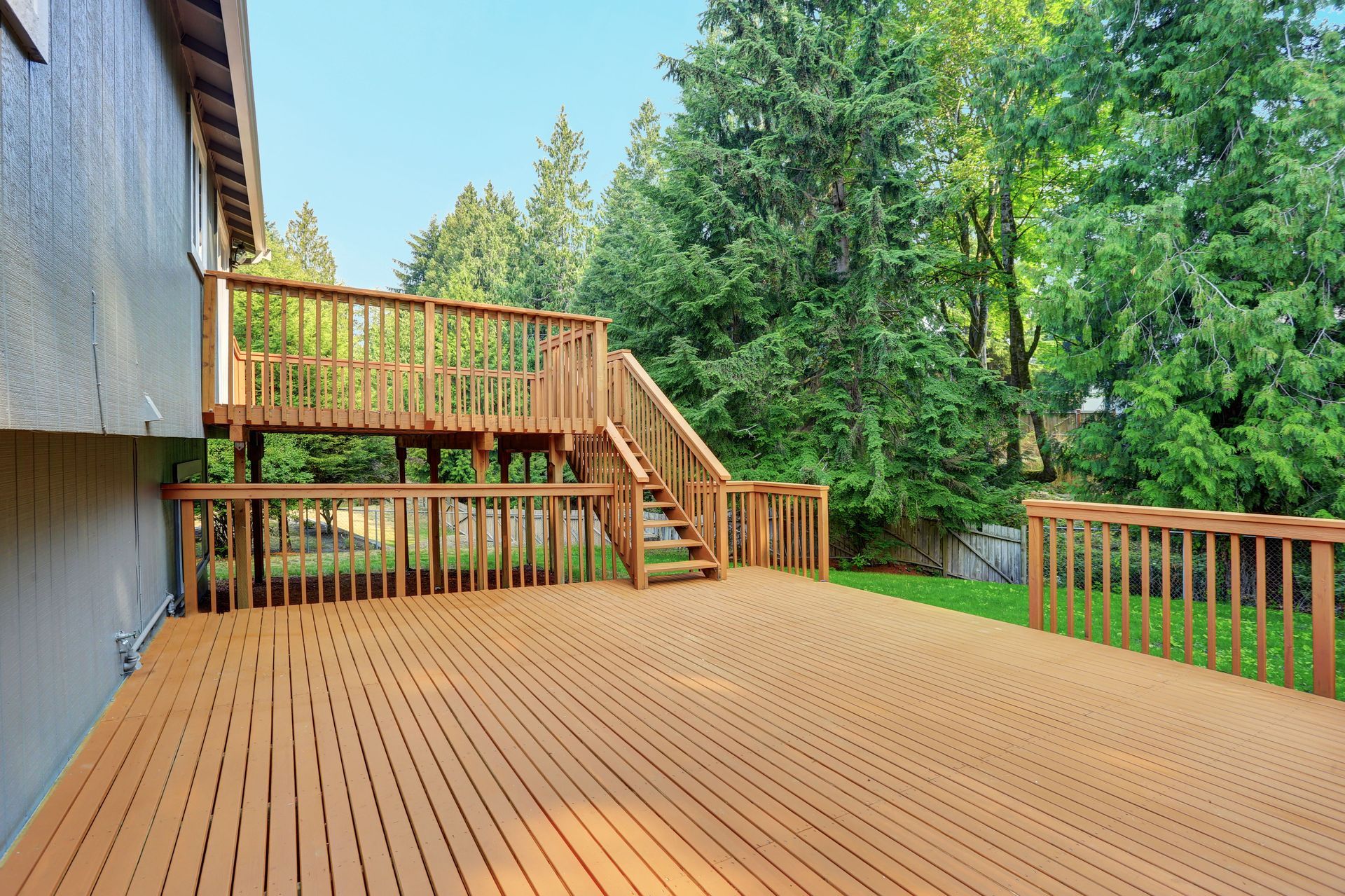
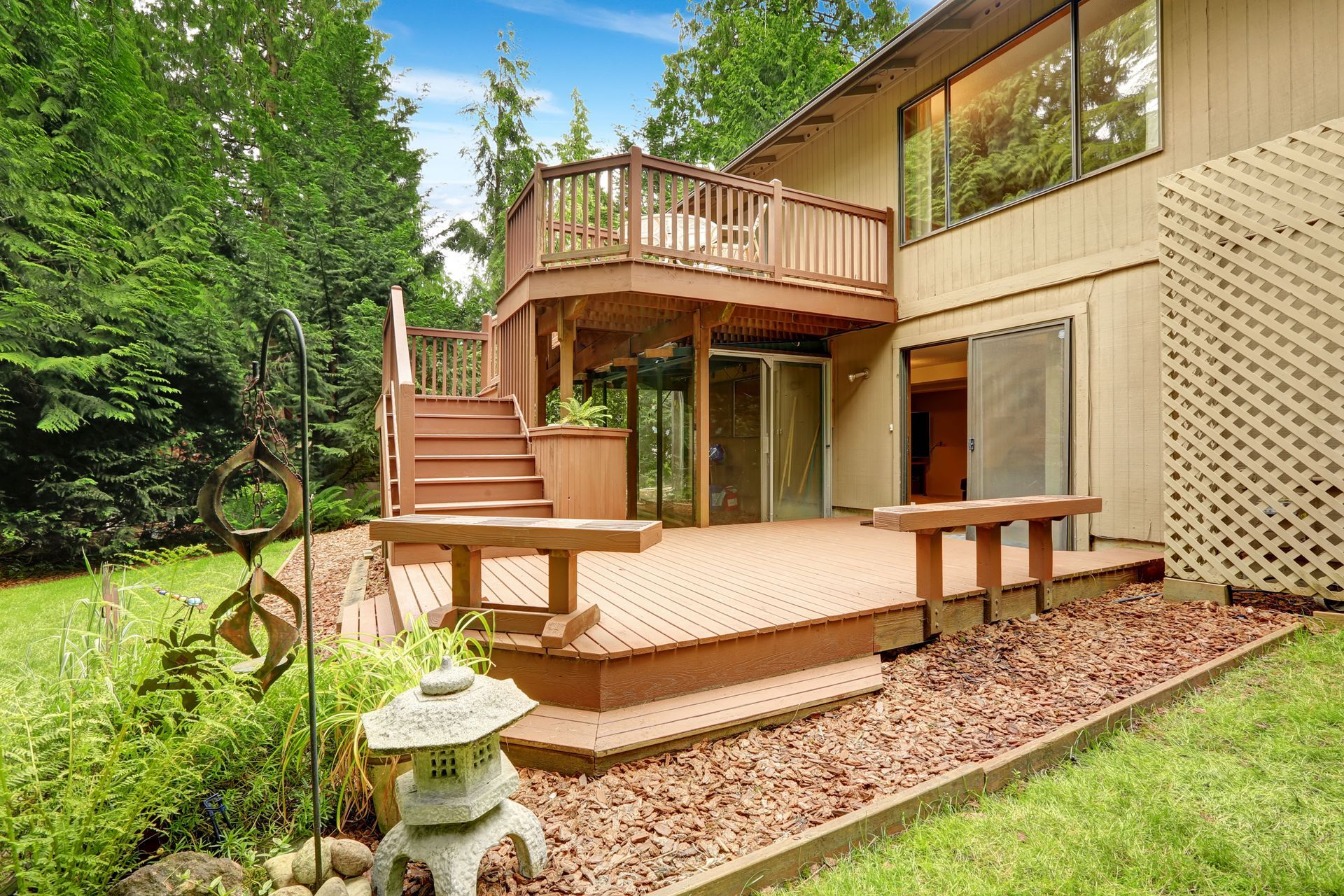
When evaluating patio installation, it's helpful to compare patios with other outdoor structures such as decks or pergolas. Patios typically sit at ground level, offering stability and durability without the need for raised framing.
This can make patios a good choice for properties with limited elevation changes or homeowners seeking a solid, low-profile surface. Understanding how patios differ from other options helps clarify whether they align with your needs and property conditions.
Understanding Permits and Local Requirements
Some patio projects require permits or approvals depending on local regulations. Factors such as size, location, and materials may influence whether permits are needed.
Working with professionals familiar with local requirements helps streamline the process and avoid delays. Understanding regulatory considerations early supports a smoother installation experience.
Considering Custom Features and Enhancements
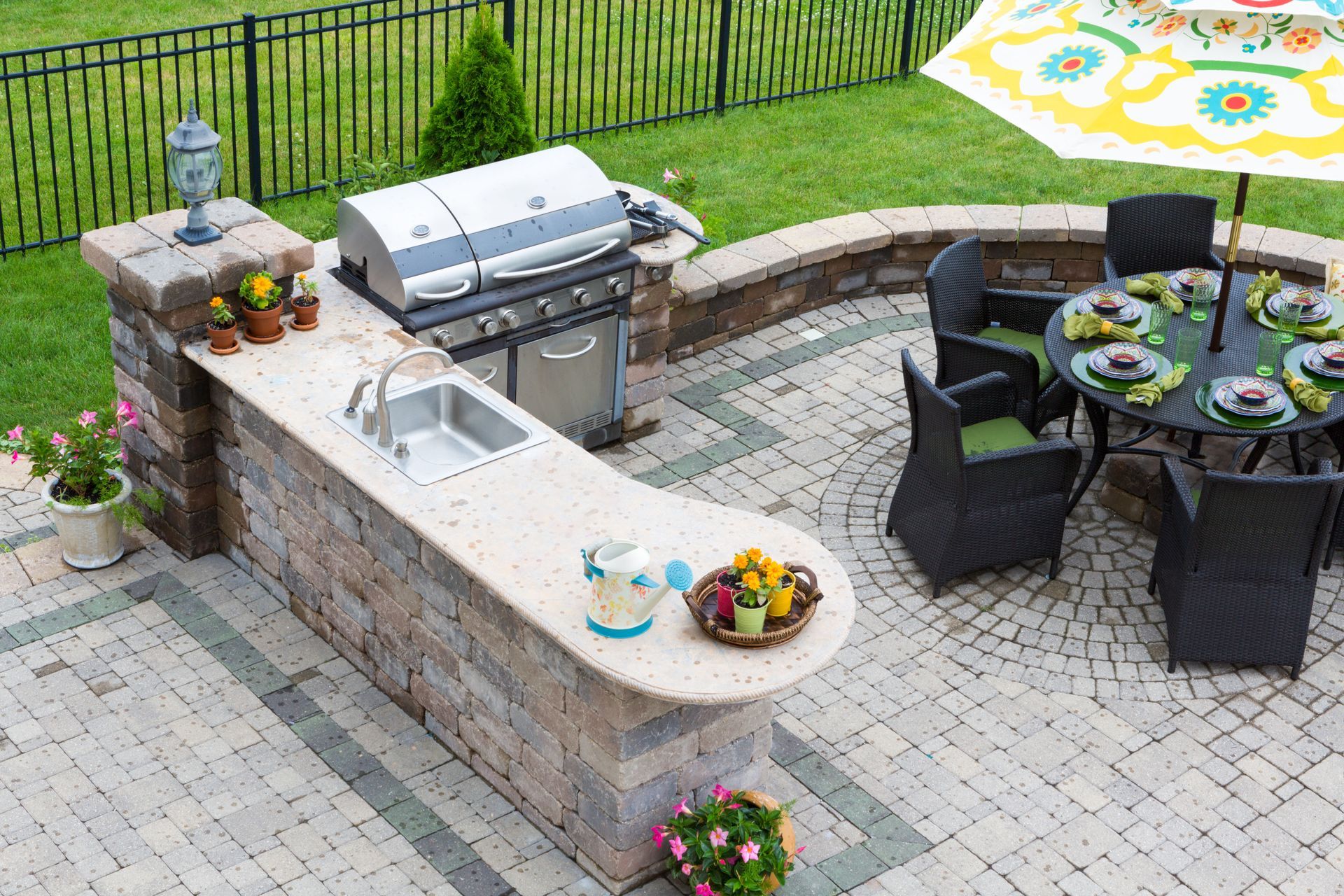
Patios can be customized with a variety of features that enhance usability and comfort. Seating walls, fire features, shade structures, and lighting can transform a simple patio into a multi-functional outdoor space.
While these additions increase project scope and cost, they can also improve how the patio is used day to day. Evaluating optional features helps homeowners decide which enhancements align with their goals and budget.
Planning for Long-Term Use and Lifestyle Changes
A patio should serve not just current needs but future ones as well. Lifestyle changes, family growth, or evolving preferences can all influence how an outdoor space is used over time.
Designing with flexibility in mind allows patios to adapt as needs change. Thoughtful planning helps create a space that remains useful and enjoyable for years to come.
Choosing the Right Professionals for the Project
The quality of patio installation depends heavily on the experience and skill of the professionals involved. Proper site preparation, material handling, and installation techniques all contribute to long-term performance.
Experienced contractors help guide material selection, design decisions, and budget planning. Their expertise supports a finished product that meets expectations and holds up over time.
Weighing Pros and Cons for Your Property
Ultimately, deciding whether patio installation is right for your property comes down to balancing benefits and considerations. Patios offer comfort, usability, and visual appeal, but they also require planning, investment, and ongoing care.
Evaluating space, budget, climate, and lifestyle goals helps homeowners make informed decisions. Taking the time to weigh these factors leads to outcomes that align with both short-term needs and long-term plans.
If you're considering patio installation and want to explore options tailored to your property, connect with our team at Cachet Construction Company to discuss design possibilities, budget considerations, and next steps. A consultation today can help turn your outdoor vision into a space you'll enjoy season after season.